

Acne is commonly treated as a surface-level skin problem, but clinical evidence shows that psychological stress plays a significant and measurable role in triggering and worsening breakouts. Many patients notice acne flares during periods of emotional pressure, heavy workload, exams, financial strain, or personal difficulties. Understanding how stress affects the skin allows for more effective, long-term acne control rather than short-term symptom management.
How Stress Triggers Acne Biologically
When the brain perceives stress, it activates the hypothalamic–pituitary–adrenal (HPA) axis. This leads to increased release of cortisol, the primary stress hormone. While cortisol is essential for short-term survival, prolonged elevation disrupts several skin-regulating mechanisms.
Elevated cortisol directly stimulates sebaceous glands, increasing sebum (oil) production. Excess sebum combines with dead skin cells, leading to clogged pores. These blocked pores create an ideal environment for acne-causing bacteria, resulting in comedones, inflammatory papules, and painful nodules.
Stress also weakens the skin’s immune and barrier functions. As a result, inflammation becomes more pronounced, healing slows down, and acne lesions tend to be more persistent, tender, and resistant to routine treatment.
Behavioral Effects of Stress That Worsen Acne
Stress does not only affect hormones; it also alters daily habits in ways that negatively impact skin health. Common stress-related behaviors include:
- Reduced or irregular sleep, impairing nighttime skin repair
- Increased intake of sugary, processed, or high-glycemic foods
- Inconsistent skincare routines or overuse of harsh products
- Frequent touching, rubbing, or picking of the face
Individually, these behaviors may seem minor, but collectively they significantly increase the risk and severity of acne flare-ups.
Characteristics of Stress-Related Acne
Stress-induced acne often presents with distinct patterns, including:
- Involvement of the jawline, chin, and lower cheeks
- Sudden flares during emotionally or mentally demanding periods
- Increased redness, swelling, and pain
- Associated dullness, dehydration, or sensitivity due to barrier disruption
These features help differentiate stress-driven acne from purely hormonal or product-related breakouts.
Managing Stress-Induced Acne Effectively
Stress cannot be completely eliminated, but its impact on the skin can be controlled with a structured, multidisciplinary approach.
Key strategies include:
- Maintaining a consistent skincare routine using a gentle cleanser, non-comedogenic moisturizer, and proven ingredients such as salicylic acid, niacinamide, or retinoids when appropriate
- Prioritizing regular sleep, as skin regeneration and inflammation control occur primarily at night
- Following a balanced diet rich in antioxidants while limiting refined sugars
- Adopting simple stress-management practices such as deep breathing, short walks, or mindfulness techniques
- Avoiding picking or squeezing acne lesions to reduce inflammation and prevent scarring
- Acne Treatment & Control in Islamabad | SkinDot Clinics
When to Seek Professional Care
If acne persists despite lifestyle and skincare optimization, professional evaluation is essential. Ongoing breakouts may involve hormonal imbalance, inappropriate product use, dietary factors, or underlying medical conditions.
Dermatological management may include topical or oral retinoids, anti-inflammatory therapies, hormonal modulation, or in-clinic procedures. Addressing psychological stress in parallel significantly improves treatment outcomes and reduces recurrence. Wellbeing & Holistic Care at SkinDot Clinics Islamabad
Final Takeaway
Stress and acne are closely interconnected, and the skin often mirrors internal emotional states. Treating acne effectively requires attention to both dermatological and psychological factors. Patients who understand and manage this mind–skin relationship experience fewer flare-ups, better treatment response, and more stable long-term skin health.
About the Author
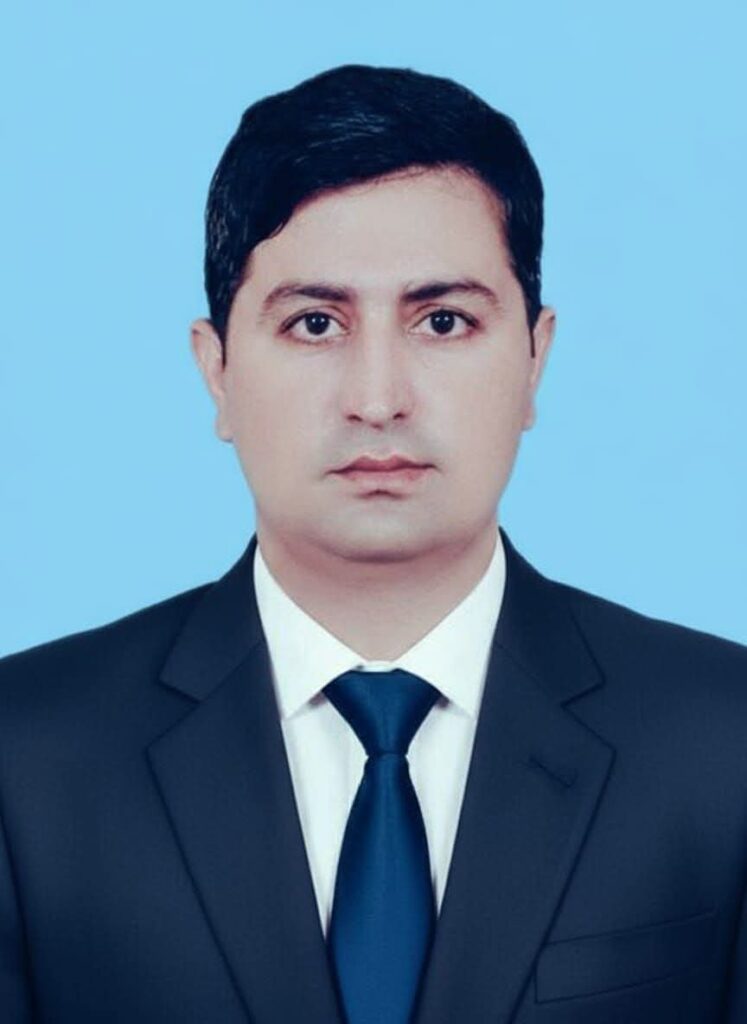
Clinical Psychologist Hassan Imran is a Pakistan-based mental health professional and PhD Scholar in Clinical Psychology with extensive clinical and research experience. He specializes in stress-related disorders, relationship well-being, and psychodermatology, focusing on the psychological dimensions of skin conditions.
He has authored more than 32 national and international research publications and is the first Pakistani researcher to develop the Digital Detoxification Scale. His clinical work emphasizes evidence-based practice, ethical standards, and culturally sensitive care. Clinical Psychologist Hassan Imran | SkinDot Clinics Islamabad
Mental Health Guidance & Counseling
Chat directly with Hassan Imran
Consultant Clinical Psychologist
SkinDot Clinics – PWD Branch
Clinical Psychologist Hassan Imran currently provides psychological services at SkinDot Clinics, Islamabad, working collaboratively within multidisciplinary healthcare teams to support holistic patient care. For more information visit ⬇️
Official Website: Hassan Imran Official Website
Good information
Thanks