

Hirsutism is a medical condition characterized by excessive, coarse hair growth in women in areas where hair growth is typically minimal or absent, such as the face, chin, upper lip, chest, abdomen, or back. It is commonly perceived as excess facial hair but often reflects an underlying hormonal or medical imbalance. Accurate diagnosis and dermatologist-led evaluation are essential to determine the cause and guide appropriate treatment.
At SkinDot Clinics Islamabad, hirsutism is managed as a medical condition rather than a cosmetic concern. Care focuses on identifying the underlying cause, addressing associated health issues, and providing safe, evidence-based treatment options.
Hirsutism is a medical condition commonly presenting as excess facial or body hair in women. It often reflects underlying hormonal or endocrine factors and should be evaluated by a dermatologist before considering cosmetic treatment options.
What Is Hirsutism
Hirsutism refers to excessive terminal (thick, dark) hair growth in women following a male-pattern distribution. It is different from normal or genetic facial hair, which may be mild, fine, and not associated with hormonal changes. Hirsutism often develops gradually but can sometimes appear suddenly, which may require urgent medical evaluation.
Difference Between Hirsutism and Normal Facial Hair
Not all facial hair in women is abnormal. Mild hair growth may be related to genetics, ethnicity, or age-related hormonal changes. Hirsutism, however, is usually associated with increased androgen (male hormone) activity or heightened sensitivity of hair follicles to these hormones. A dermatologist can distinguish between cosmetic facial hair and true hirsutism through clinical assessment.
Common Causes of Hirsutism
Hirsutism can result from several underlying factors. Polycystic ovary syndrome (PCOS) is one of the most common causes and is often associated with irregular menstrual cycles, acne, and scalp hair thinning. Hormonal imbalances unrelated to PCOS, genetic predisposition, certain medications, and idiopathic hirsutism (where no clear cause is identified) may also contribute. Rarely, sudden or severe hirsutism may indicate more serious endocrine conditions that require prompt investigation.
- Polycystic ovary syndrome (PCOS)
- Hormonal imbalance
- Genetic or familial predisposition
- Medication-related hormonal effects
- Idiopathic hirsutism (no identifiable cause)
When Excess Facial Hair Needs Medical Attention
Medical evaluation is recommended when excess facial hair appears suddenly, progresses rapidly, or is accompanied by other symptoms such as irregular periods, acne, weight changes, scalp hair loss, or voice changes. Persistent facial hair that does not respond to routine cosmetic methods should also be assessed to rule out underlying causes.
How Hirsutism Is Diagnosed
Diagnosis begins with a detailed medical history and clinical examination by a dermatologist. This includes assessing hair growth patterns, skin changes, menstrual history, and associated symptoms. When indicated, patients may be referred for hormonal or laboratory investigations to identify underlying endocrine causes. Accurate diagnosis is essential before initiating any long-term treatment.
- Sudden or rapidly increasing facial hair
- Irregular menstrual cycles
- Associated acne or scalp hair thinning
- Voice changes or unexplained weight gain
- Facial hair not responding to routine methods
Approach to Hirsutism Treatment
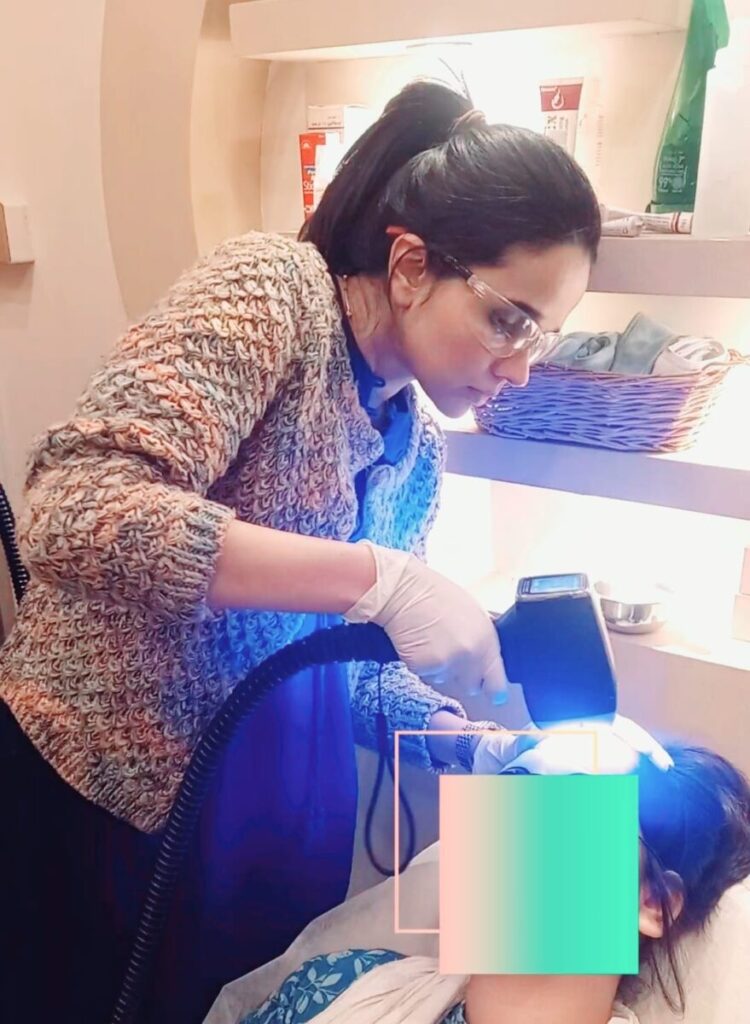
Treatment of hirsutism depends on the underlying cause and individual patient factors. Management may include medical therapy, hormonal evaluation or referral, and long-term monitoring. Cosmetic procedures such as laser hair reduction may be considered as a supportive option only after proper medical assessment and stabilization of hormonal factors. Treatment outcomes vary, and realistic expectations regarding duration and response are discussed with patients.
Management of hirsutism is individualized and depends on the underlying cause. Medical evaluation and hormonal assessment guide treatment decisions. Cosmetic procedures such as laser hair reduction may be considered only as a supportive option after proper diagnosis.
What Patients Should Avoid
Unsupervised use of hormonal medications, repeated salon procedures without medical evaluation, and reliance on home remedies may delay proper diagnosis and worsen the condition. Hirsutism should not be managed solely as a cosmetic issue without understanding its medical basis.
Dermatologist-Led Care for Hirsutism in Islamabad
Effective management of hirsutism requires a medical, individualized approach under dermatologist supervision. Early evaluation helps identify underlying causes, prevents progression, and supports safe long-term management. Consultations for hirsutism and excess facial hair evaluation are available at SkinDot Clinics PWD Branch and Khanna Pull Branch in Islamabad. SkinDot Clinics Branches in Islamabad | PWD & Khanna Pull

Related Dermatology Services
Laser hair reduction Laser Hair Removal in Islamabad
Acne and hormonal acne treatment Acne Treatment in Islamabad | SkinDot Clinics
Pigmentation and melasma treatment Pigmentation Treatment in Islamabad | Melasma & Dark Spots | SkinDot Clinics
Hair loss and scalp disorders Hair Loss Treatment | SkinDot Clinics
General dermatology services Medical Dermatology Treatments in Islamabad | SkinDot Clinics
SkinDot Clinics Official Website Homepage
Frequently Asked Questions
Is hirsutism the same as facial hair?
Hirsutism refers to excessive, coarse hair growth due to hormonal or medical causes, while mild facial hair may be normal or genetic.
Can hirsutism be treated permanently?
Treatment can significantly reduce hair growth and control underlying causes, but long-term management is often required depending on the diagnosis.
Does laser hair reduction cure hirsutism?
Laser hair reduction does not treat the underlying cause of hirsutism. It may be used as a supportive option after proper medical evaluation.
When should a woman see a dermatologist for facial hair?
A dermatologist should be consulted if facial hair is excessive, progressive, sudden in onset, or associated with other hormonal or skin-related symptoms.
Treatment recommendations are made only when medically appropriate. No guarantees of permanent results are offered, and patient safety and informed consent remain central to care.
The information provided on this page is intended for general educational purposes only and does not constitute medical advice. It is not a substitute for professional diagnosis, examination, or treatment by a qualified dermatologist. Hirsutism and excess facial hair may have different underlying causes and require individualized evaluation. Treatment outcomes vary between individuals, and any medical concerns or treatment decisions should be discussed directly with a licensed healthcare professional.
If you are experiencing excess facial hair or symptoms of hirsutism, a medical evaluation is recommended.
Related Pages
A
Acne Scars Treatment in Islamabad
Alopecia Areata Treatment in Islamabad
B
Blackheads Treatment in Islamabad
Birth Marks Treatment in Islamabad
C
Chemical Peel Treatment in Islamabad
Cystic Acne Medical Management
D
Dark Circles Treatment in Islamabad
Double Chin Reduction Treatment
Dry Skin Treatment in Islamabad
E
F
Facial Rejuvenation Treatments
Fat Reduction Non-Surgical Treatments
G
Glow Facial Medical Treatments
Grey Hair Treatment in Islamabad
H
Hair Fall Treatment in Islamabad
Hirsutism Treatment in Islamabad
I
Injectable Aesthetic Treatments
Intimate Area Lightening Treatment
J
Jock Itch Treatment in Islamabad
K
L
Laser Hair Removal in Islamabad
M
Melasma Treatment in Islamabad
Molluscum Contagiosum Treatment
N
O
P
Q
R
S
T
U
Underarm Pigmentation Treatment
V
W
X
Y
Youthful Skin Rejuvenation Treatments
Z
Zero Downtime Facial Treatments
Related Services
Laser Hair Removal in Islamabad
Full Body Laser Hair Removal in Islamabad
Bikini Area Laser Hair Removal in Islamabad
Electrolysis Hair Removal in Islamabad
Permanent Hair Reduction – Medical Laser Hair Reduction for Long-Term Results